

Sound Insulation materials play a crucial role in creating a peaceful environment. They minimise noise pollution, making your home or office more comfortable. From acoustic panels to soundproofing foam, these materials can drastically improve your space. Choosing the right sound insulation can enhance privacy and reduce distractions. Whether you’re renovating or building from scratch, understanding your options is essential. This guide will explore various sound insulation materials, their benefits, and how they can transform your living or working area into a quieter sanctuary.
Basics of Sound Insulation
Understanding Soundproofing vs Absorbing
ndproofing prevents sound from entering or leaving a space. It uses materials that block sound waves. In contrast, sound absorption reduces echo and reverberation in a room. This is achieved with soft materials that soak up sound. Common soundproofing materials include concrete and mass-loaded vinyl. For absorption, materials like foam and carpets are effective. Choosing the right method depends on specific acoustic needs.
Common Insulation Types
Several popular sound insulation materials exist. Mineral wool is known for its fire resistance and excellent absorption properties. Foam panels are lightweight and easy to install, making them popular for home studios. Mass-loaded vinyl offers high density, making it effective for soundproofing walls and floors. Each material suits different applications. Mineral wool works well in residential settings, while mass-loaded vinyl is often used in commercial spaces.
Mechanism of Sound Blocking
nd waves interact with materials differently to achieve sound blocking. Higher density and mass enhance sound insulation performance. The denser the material, the better it blocks sound. Air gaps between layers can improve sound blocking capabilities further. Barriers can also help by reflecting sound waves away from the desired area.
Popular Insulation Materials
Acoustic Foam Benefits
Acoustic foam offers many advantages. It reduces unwanted noise effectively. This material improves sound quality in various settings. You can find it in recording studios and home theatres. Its versatility makes it a popular choice. Installation is straightforward, requiring minimal tools. Maintenance is also easy, as most products simply need cleaning.
Glasswool Efficiency
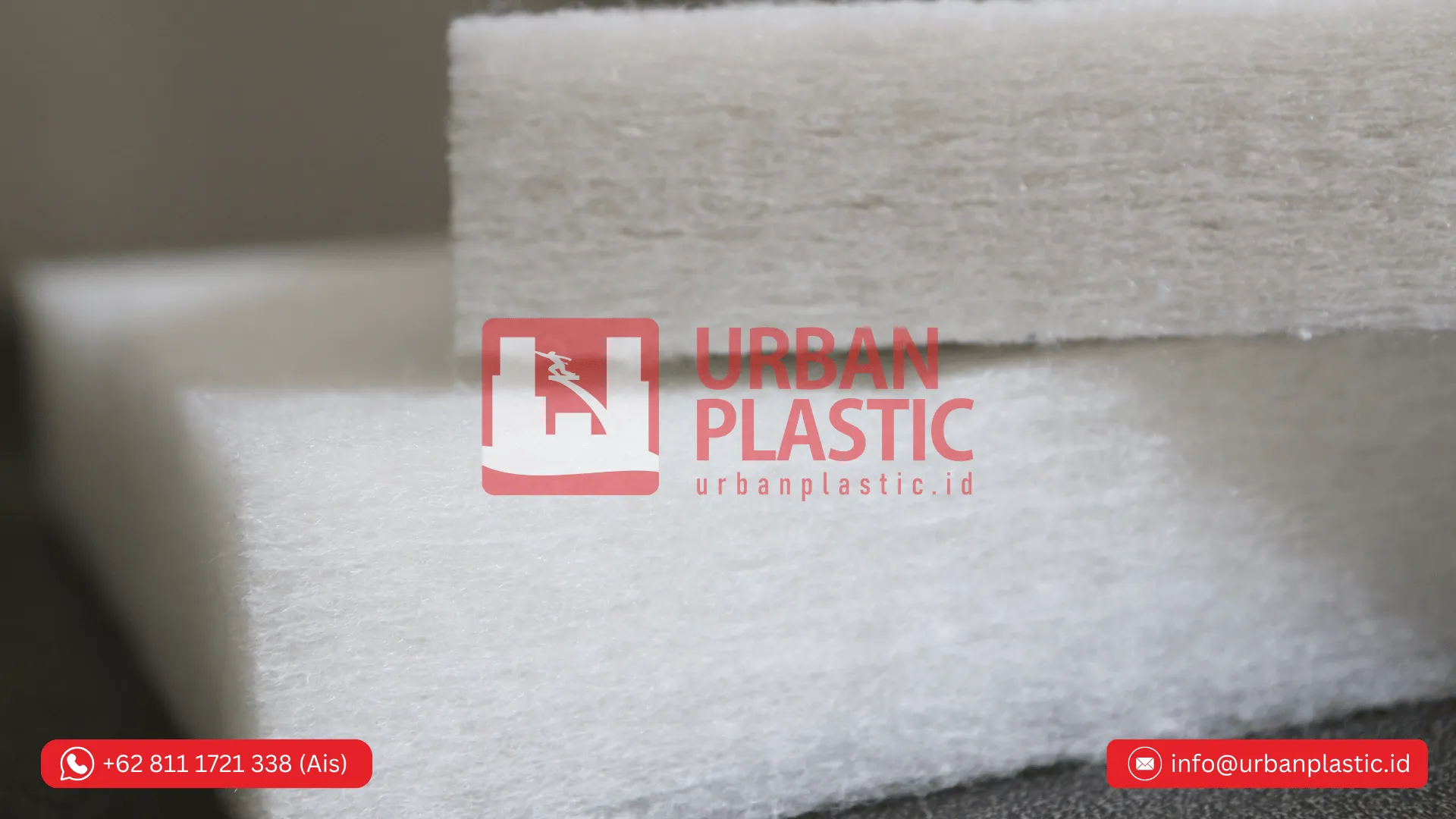
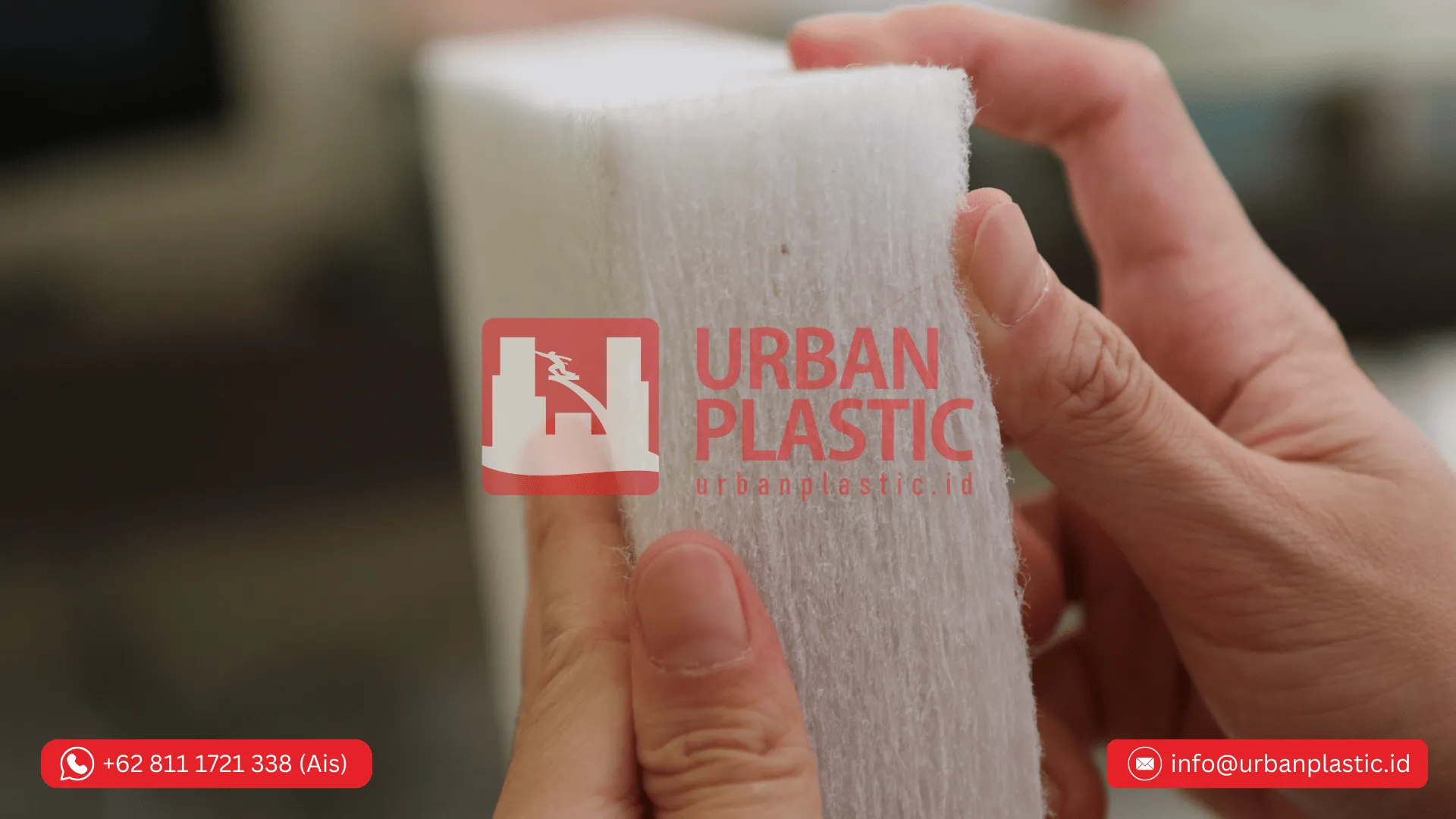
Glasswool acts as an effective sound insulator due to its fibrous structure. The fibres trap sound waves, preventing them from passing through. It also provides thermal insulation, keeping spaces warm or cool. This dual functionality makes glasswool a practical option. Environmentally, glasswool production uses recycled materials. This contributes to its sustainability and appeal among eco-conscious consumers.
Polyester as a Barrier
Polyester serves as a lightweight and flexible sound barrier material. It resists moisture and mould, making it suitable for various environments. This resistance helps maintain its effectiveness over time. Handling polyester insulation products is easy, which simplifies installation. Users appreciate how quickly they can set it up in different spaces.
Acoustic Membranes Explained
Acoustic membranes are crucial in sound insulation systems. They work by adding mass and damping vibrations, which reduces sound transmission. These membranes are effective in both residential and commercial settings. Their application enhances the overall acoustic environment in any space.
Applications in Different Settings
Home Soundproofing Techniques
Homeowners can implement various practical methods to enhance sound insulation. Sealing gaps around windows and doors prevents noise leakage. Using rugs on floors absorbs sound, reducing echo. Rearranging furniture can also help. Placing bookshelves against walls acts as a barrier, minimising sound reflection.
Curtains and drapes play a vital role too. Heavy fabrics absorb sound effectively. They can significantly decrease noise from outside, creating a quieter indoor environment.
Insulation for Multi-Storey Buildings
Multi-storey buildings face unique challenges with sound insulation. Noise travels easily between floors and ceilings. Appropriate materials are crucial to minimise impact noise between levels. For example, using acoustic underlay can help reduce sounds from footsteps above.
Building regulations guide sound insulation standards in these constructions. Compliance ensures that residents experience less disturbance from neighbours. Meeting these standards is essential for both comfort and legal requirements.
Effective Wall Soundproofing
ndproofing walls requires specific techniques. Adding mass to walls increases their ability to block sound. Using resilient channels can decouple drywall from the studs, further reducing noise transmission.
Double-layer drywall installations are more effective than single-layer ones. They provide additional density, which helps in blocking sound waves better. Addressing flanking paths is also important. Sealing gaps and ensuring continuity in materials prevents sound leaks.
Measuring and Evaluating Efficiency
Techniques for Measuring Sound Levels
nd level metres are essential tools for measuring noise. These devices provide accurate readings in decibels (dB). Understanding decibel levels helps assess the effectiveness of sound insulation materials.
Apps are also available for smartphones, offering a convenient way to measure sound. However, their accuracy may vary compared to professional equipment. Conducting measurements in various environments is crucial. Different settings can produce different results. For instance, a quiet room will show different levels than a busy street.
Comparing Thermal and Acoustic Insulation
Thermal insulation retains heat, while acoustic insulation controls sound. These two types serve distinct purposes in building design. Some materials, like mineral wool or foam, can offer both thermal and acoustic benefits.
Using dual-purpose materials can enhance comfort and energy efficiency. Proper consideration of both types of insulation leads to better living conditions. Builders should evaluate the specific needs of each project. This ensures that both heat retention and sound control are effectively addressed.
Summary
Sound insulation materials play a vital role in enhancing your comfort and privacy. Understanding the basics, popular options, and their applications helps you make informed choices. Evaluating efficiency ensures your investment pays off, creating a peaceful environment in your home or workspace.
Now is the time to take action. Explore the various sound insulation solutions available and assess what best fits your needs. Don’t let noise disrupt your life—invest in quality sound insulation materials today for a quieter tomorrow. For more information about Insulation please contact: Whatsapp/Mobile Phone: +62 811 1721 338 (Ais) or Email: info@urbanplastic.id.