

Eco-friendly heat insulation solutions are changing the game. Traditional methods can harm the environment and your wallet. In contrast, sustainable options not only cut energy costs but also reduce your carbon footprint. These innovative materials provide effective insulation while being kinder to the planet. From recycled products to natural fibres, there’s a wide range of choices available. Choosing eco-friendly solutions means investing in a healthier home and a better future. Discover how these alternatives can transform your living space and contribute to sustainability.
Understanding Eco-Friendly Insulation
Importance of Temperature Control
Temperature control is vital for maintaining indoor comfort. Proper insulation helps keep homes warm in winter and cool in summer. Effective insulation significantly reduces energy consumption. This leads to lower utility bills and less reliance on heating and cooling systems. Good temperature regulation positively impacts health and wellbeing. It creates a stable environment that minimises the risk of respiratory issues and allergies.
Benefits of Eco-Friendly Options
Eco-friendly insulation offers long-term cost savings. Sustainable materials often have better durability, reducing the need for replacements. These options also contribute to environmental conservation by lowering carbon footprints. Using natural materials reduces landfill waste and promotes recycling. Furthermore, eco-friendly insulation can improve air quality. Natural products do not emit harmful chemicals, creating a healthier living space.
Types of Sustainable Materials
Several sustainable materials are available for heat insulation, including:
- Hemp
- Wool
- Cellulose
- Recycled denim
These materials perform well compared to traditional options like fibreglass or foam. While traditional insulation may have lower upfront costs, eco-friendly choices provide better thermal performance over time. Renewable resources play a crucial role in these materials. They ensure that insulation solutions are both effective and environmentally responsible.
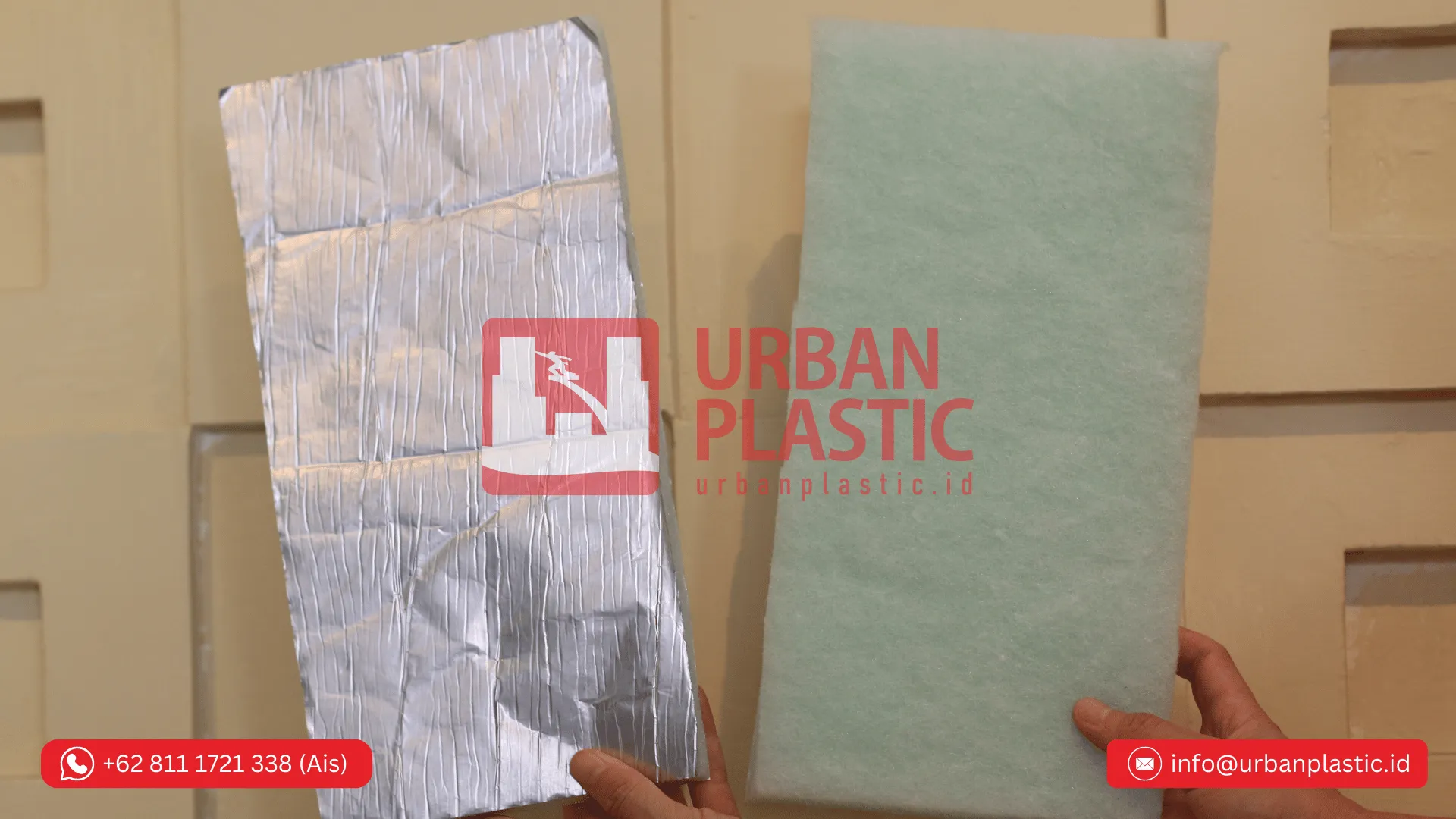
Natural Insulation Materials
Exploring Wool and Cotton
Wool and cotton are effective natural insulation materials. They provide excellent thermal properties, keeping homes warm in winter and cool in summer. These fibres also have moisture-wicking capabilities. They can absorb humidity without feeling damp. This helps prevent mould growth.
Both wool and cotton are biodegradable. They break down naturally over time, supporting sustainable practices. This makes them a great choice for eco-conscious builders.
Benefits of Cork and Hemp
Cork is another natural option. It resists moisture and pests effectively. This resistance helps maintain the integrity of buildings. Hemp is equally impressive due to its rapid growth rate. It requires minimal resources, making it environmentally friendly.
Both cork and hemp offer soundproofing qualities. They reduce noise pollution, creating a more peaceful indoor environment.
Uses of Wood Fibre
Wood fibre insulation is versatile in construction applications. It can be used in walls, roofs, and floors. This material enhances breathability in buildings, allowing moisture to escape while maintaining warmth.
Using wood-based products also contributes to carbon sequestration. Trees absorb carbon dioxide as they grow, helping reduce greenhouse gases in the atmosphere.
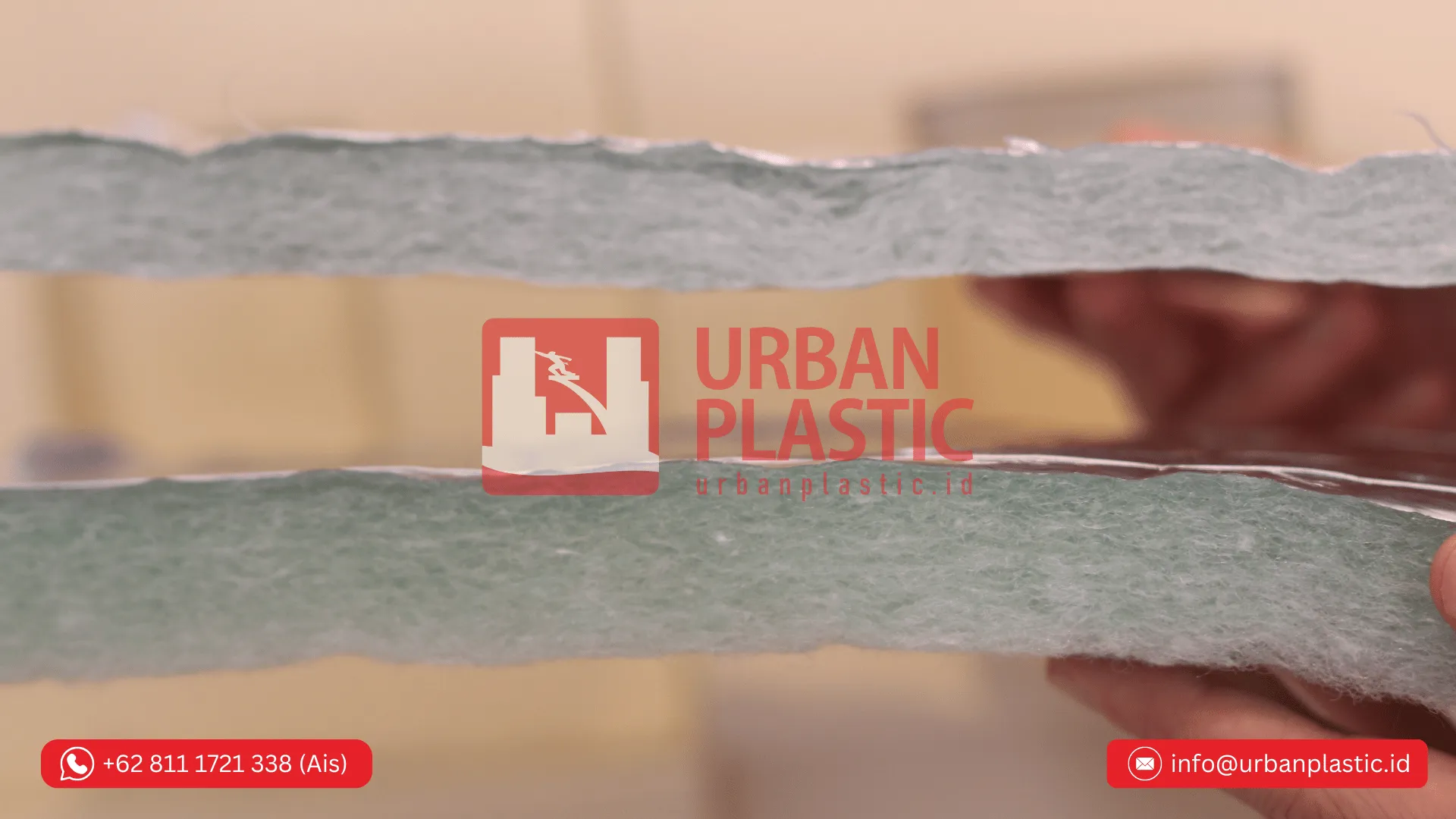
Innovative Insulation Solutions
Reflective Insulation Explained
Reflective insulation consists of materials that reflect radiant heat. It works by using a shiny surface, often made of foil, to bounce heat away from living spaces. This type of insulation is particularly effective in hot climates where it reduces cooling costs significantly. Installation requires careful attention to detail. It should be placed in areas with high exposure to sunlight. Proper sealing and positioning enhance its effectiveness.
Cellulose and Polyester Options
Cellulose insulation is made from recycled paper products. It has superior insulating properties and helps reduce waste. Polyester, on the other hand, is known for its durability and resistance to mould and mildew.
When comparing environmental impacts, cellulose is more eco-friendly than synthetic polyester. Cellulose uses fewer resources during production and contributes less to landfill waste.
Environmental Impact and Benefits
Reducing Carbon Footprint
Eco-friendly insulation plays a vital role in lowering greenhouse gas emissions. By improving energy efficiency, homes require less heating and cooling. This reduction leads to fewer fossil fuels burned for energy, significantly decreasing carbon output. Energy-efficient homes are crucial in the fight against climate change. They help reduce overall demand for energy, which is often generated from non-renewable sources. Sustainable materials, such as recycled cellulose or sheep’s wool, further lessen the environmental impact. These materials require less energy to produce and often have a smaller ecological footprint.
Evaluating Eco-Friendliness
Assessing the sustainability of insulation materials involves several criteria. Look for products that use renewable resources or recycled content. Certifications like the Forest Stewardship Council (FSC) label indicate responsible sourcing. Standards such as ISO 14001 demonstrate commitment to environmental management. Consumers should also consider lifecycle impacts when choosing insulation. This includes production, transportation, installation, and disposal phases.
Summary
Eco-friendly heat insulation solutions are key to creating sustainable spaces. You’ve explored natural materials and innovative methods that not only reduce energy costs but also lower your carbon footprint. The benefits are clear: healthier homes and a brighter future for the planet. Now, it’s time to take action. Consider integrating these eco-friendly options into your next project. Your choices matter. By opting for sustainable insulation, you contribute to a greener environment and enhance your living space’s comfort.
For more information about Insulation please contact: Whatsapp/Mobile Phone: +62 811 1721 338 (Ais) or Email: info@urbanplastic.id.