

Eco-friendly sound insulation materials are transforming how we approach noise control in our spaces. Historically, traditional insulation methods often used harmful substances, impacting both health and the environment. Today, sustainable options like recycled cotton, hemp, and cellulose are gaining popularity. These materials not only reduce noise but also minimise environmental footprints. Choosing eco-friendly alternatives supports a healthier living environment while promoting sustainability. With rising awareness about climate change, it’s essential to consider these innovative solutions for effective sound insulation.
Understanding Sound Insulation
Basics of Noise Control
Noise control involves methods to manage unwanted sound. This is vital for creating comfortable living environments. Common sources of noise pollution include traffic, neighbours, and appliances. In both residential and commercial spaces, these sounds can disrupt daily life. Sound insulation plays a key role in reducing this unwanted noise. It absorbs sound waves and prevents them from travelling through walls and ceilings.
Key Factors in Soundproofing
Material density significantly impacts sound absorption. Denser materials absorb more sound, making them effective for insulation. Sealing gaps and cracks is also crucial for effective soundproofing. Even small openings can allow sound to escape or enter a room. The layout of a room and its furnishings affect sound transmission as well. Soft furnishings like curtains and carpets help reduce echo and absorb noise.
Acoustic vs Thermal Insulation
Acoustic insulation focuses on reducing sound levels within a space. It uses specific materials designed to block or absorb sound waves. Thermal insulation, however, primarily regulates temperature. While it can provide some noise reduction, its main purpose is energy efficiency. Understanding these differences helps in selecting the right type of insulation for your needs.
Eco-Friendly Materials Overview
Types of Green Materials
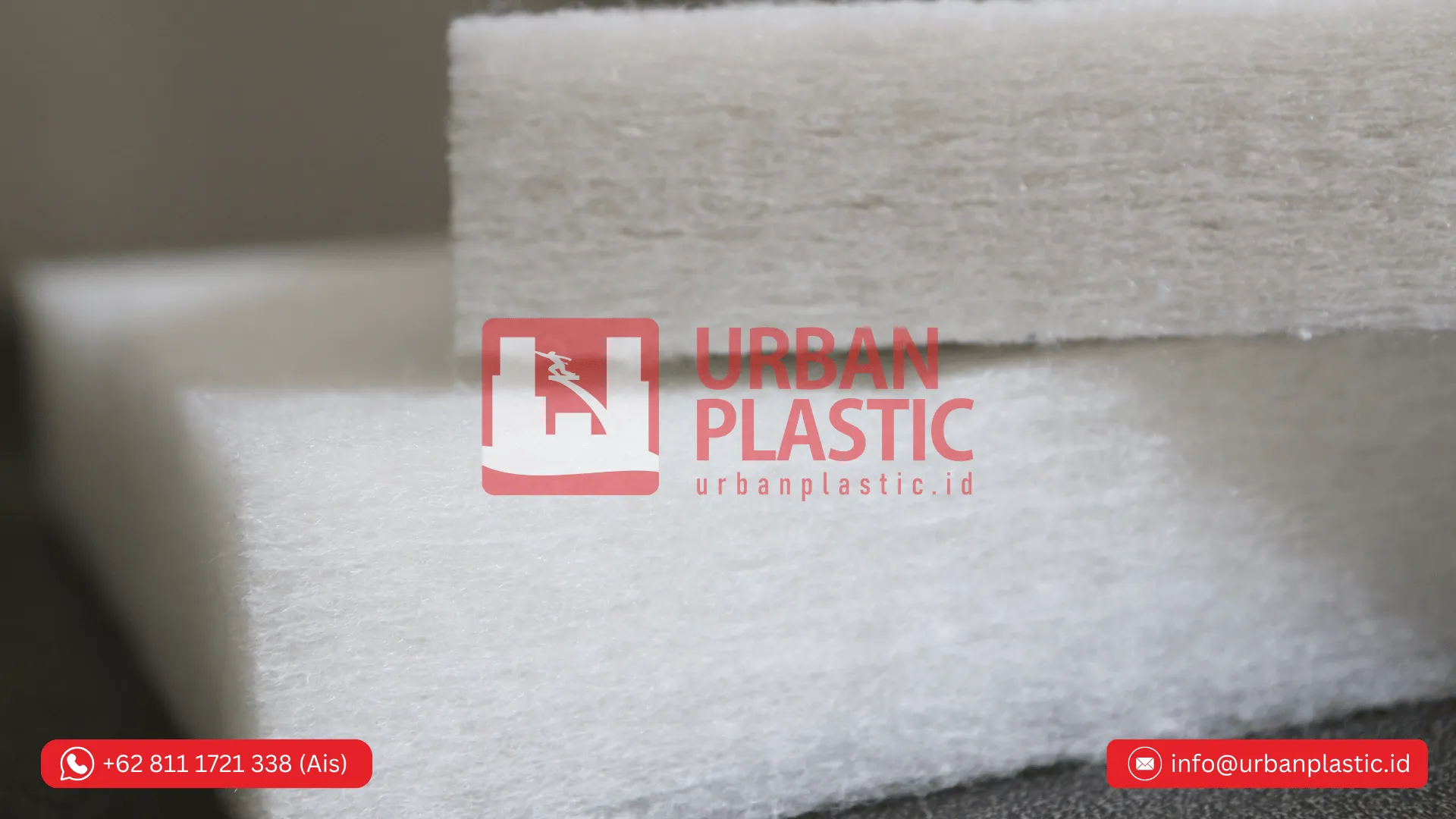
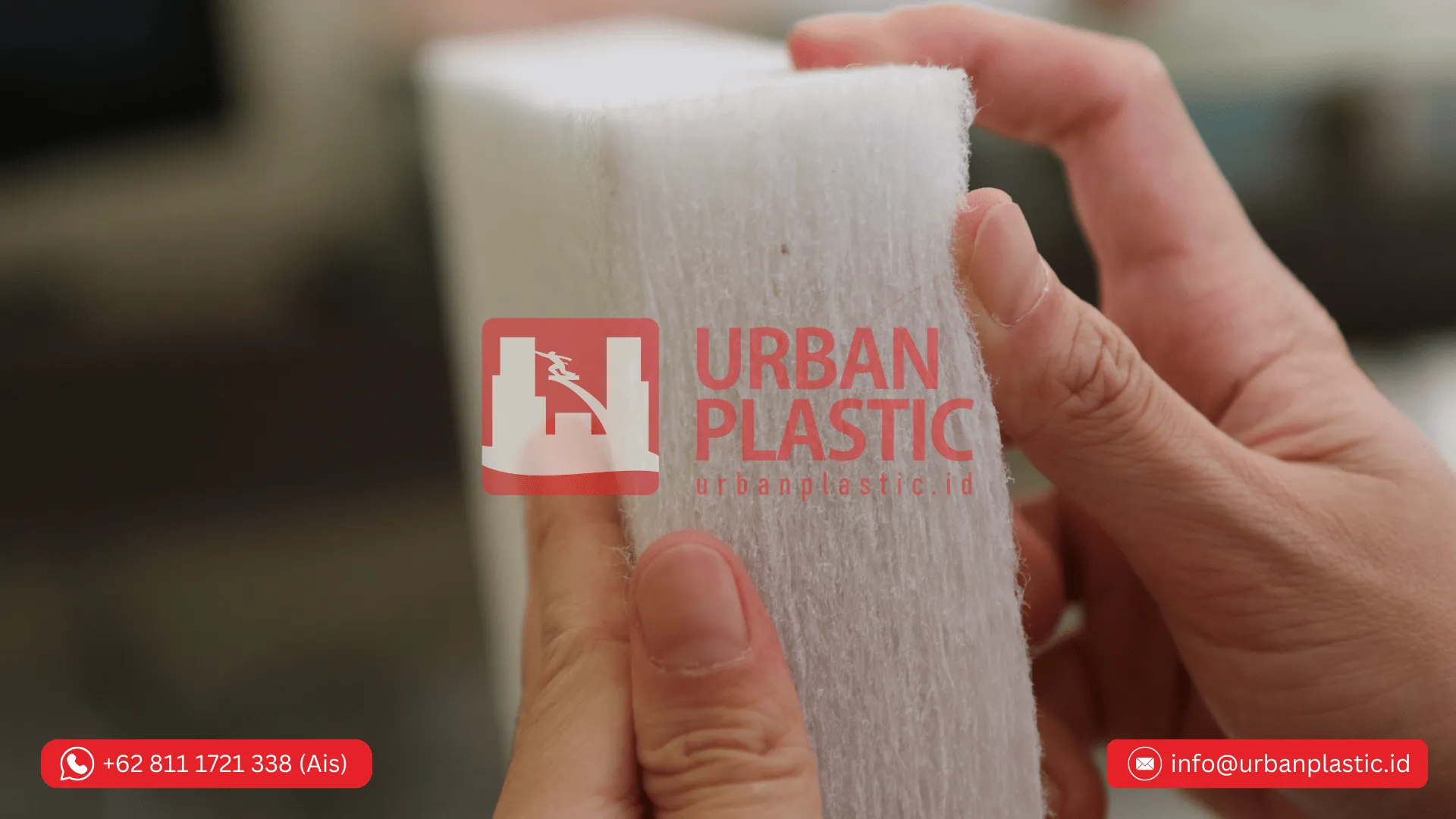
Recycled cotton and wool are popular eco-friendly sound insulation materials. They provide excellent sound absorption. Natural materials like cork and hemp also offer benefits. Cork is lightweight and resistant to moisture. Hemp is durable and biodegradable.
Innovative options include cellulose made from recycled paper. This material is highly effective at reducing noise. It is also a sustainable choice that supports recycling efforts.
Benefits of Sustainable Options
Using sustainable sound insulation materials has significant environmental advantages. These materials reduce waste and lower carbon footprints. Non-toxic, eco-friendly options also promote better indoor air quality. They contribute to healthier living spaces, which can improve overall well-being.
Long-term cost savings are another benefit. Sustainable materials often enhance energy efficiency. This leads to lower heating and cooling costs over time.
Cost-Effective Choices
Several budget-friendly eco-friendly sound insulation materials are available on the market. Options like recycled denim or acoustic foam are affordable and effective. Initial investments for these materials may seem high, but the long-term savings can outweigh the costs.
DIY methods for soundproofing can further reduce expenses. Simple techniques, such as using heavy curtains or sealing gaps, can make a big difference.
Home and Office Applications
Soundproofing New Rooms
Incorporating sound insulation during new construction requires careful planning. Start by assessing the room’s purpose. For home theatres, use acoustic panels and mineral wool for optimal results. Bedrooms benefit from soundproof drywall and green glue between layers.
Plan layouts to minimise noise transfer. Consider placing quieter spaces adjacent to noisy areas. This strategy helps maintain a peaceful environment.
Enhancing Existing Spaces
Retrofitting sound insulation in older buildings can be challenging but effective. Start with sealing gaps around windows and doors. Use mass-loaded vinyl or acoustic caulk to block noise transmission.
Layering techniques can enhance existing structures without major renovations. Adding carpets or rugs can absorb sound effectively. Wall-mounted bookshelves also serve as decorative sound barriers.
Common Areas to Insulate
High-noise areas like living rooms and home theatres need attention. Use heavy curtains and upholstered furniture to reduce echoes. Insulating bedrooms is crucial for better sleep quality. Soundproofing shared walls in multi-family dwellings prevents disturbances between neighbours. Identifying these areas ensures a more comfortable living space. Prioritising Eco-friendly sound insulation materials contributes to a healthier environment while improving acoustics.
Effective Techniques and Tips
Reducing Floor-to-Floor Noise
Minimising noise transfer between floors is crucial. Using specific materials for floor sound insulation can help. Consider products like acoustic underlay or soundproof mats. These materials absorb sound waves effectively.
Rugs and carpets also serve as excellent sound barriers. They add comfort while reducing noise levels. Place them strategically in high-traffic areas to maximise their effect.
Optimising Wall Insulation
Maximising sound insulation in wall constructions requires careful planning. Soundproofing panels are a popular choice. Install them on walls to dampen noise transmission. Their placement matters, so cover as much surface area as possible.
Decoupling walls is another effective technique. This involves creating a gap between the wall layers. It reduces direct sound transfer, which enhances overall insulation.
Improving Window Soundproofing
Window treatments can significantly enhance sound insulation. Double glazing is one of the best options available. It consists of two panes of glass with air in between, which helps block noise.
Weather stripping and caulking are essential too. They seal gaps around windows, preventing noise leaks. Adding acoustic curtains provides an extra layer of protection against outside sounds.
Summary
Eco-friendly sound insulation materials offer a sustainable solution for your home and office. They not only reduce noise pollution but also contribute to a healthier environment. You’ve learned about various materials and techniques that can enhance your space while being kind to the planet. Now it’s time to take action. Evaluate your current sound insulation and consider making eco-friendly upgrades. Your choices can lead to a quieter, more comfortable environment. Embrace these sustainable options today and make a positive impact on your surroundings.
For more information about Insulation please contact: Whatsapp/Mobile Phone: +62 811 1721 338 (Ais) or Email: info@urbanplastic.id.