
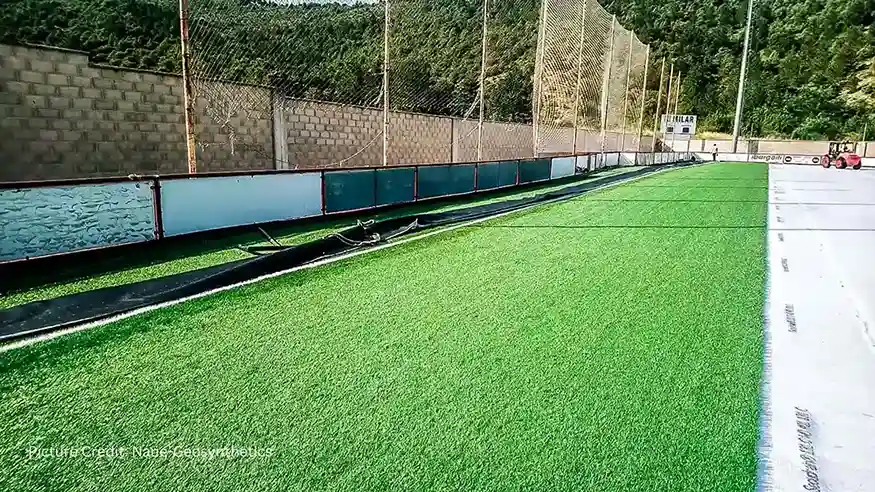
Why the best geotextile non woven improves soccer stadium drainage lies in its ability to deliver superior water management, soil stabilization, and field durability. Soccer stadiums require efficient drainage systems to maintain optimal playing conditions, and premium geotextile non woven fabrics are integral to achieving this. These fabrics, particularly those in the 150-200 gsm range, provide unmatched performance in enhancing drainage, reducing erosion, and maintaining consistent field conditions. Here, we explore the benefits and importance of using high-quality geotextile non woven materials for soccer stadium drainage.
The Importance of Efficient Drainage in Soccer Stadiums
Proper drainage is essential for maintaining playable and durable soccer fields. Without an effective system, fields are prone to:
- Waterlogging: Excess water accumulates, creating puddles and soft patches that hinder gameplay.
- Soil Erosion: Unstable soil layers lead to uneven surfaces and safety risks for players.
- Compacted Soil: Heavy foot traffic compresses the soil, reducing turf health and drainage capacity.
- Increased Maintenance Costs: Frequent repairs and re-leveling are required to address drainage-related issues.
By incorporating the best geotextile non woven fabrics, stadiums can prevent these problems and maintain optimal conditions for players and spectators.
How Geotextile non woven Improves Drainage
Geotextile non woven fabrics act as a filtration and separation layer within drainage systems, providing multiple benefits:
- Efficient Water Flow: Allows water to pass through while filtering soil particles, preventing system clogging and waterlogging. Positioned above drainage pipes or gravel layers, it ensures unobstructed water movement.
- Soil Stabilization: Prevents soil layer mixing, maintaining a stable turf foundation. Creates a protective barrier between soil and drainage components, reducing erosion and surface deformation.
- Erosion Control: Protects against soil displacement from heavy rain or water runoff. Installed on slopes or high-flow areas, it prevents soil washout and preserves field integrity.
- Long-Term Durability: Resists tearing, punctures, and environmental degradation, ensuring consistent performance over time. 150-200 GSM geotextiles are ideal for handling heavy usage and harsh conditions..
Performance Characteristics of Premium Geotextile non woven Fabrics
- Weight and Thickness: 150-200 GSM fabrics provide the ideal balance of strength and permeability, making them suitable for stadium applications. Thicker fabrics offer greater resistance to mechanical stress and improve filtration efficiency.
- Permeability: High permeability allows efficient water flow while retaining soil particles, preventing waterlogging and maintaining consistent field conditions.
- Tensile Strength: Premium geotextiles are engineered to withstand heavy loads and resist tearing during installation and gameplay, ensuring long-term durability under demanding conditions.
- Resistance to Environmental Factors: Designed to resist UV radiation, temperature fluctuations, and chemical exposure, geotextiles provide lasting performance, reducing the need for frequent replacements and lowering maintenance costs.
Benefits of Investing in High-Quality Geotextile non woven Fabrics
- Enhanced Field Performance: Provides consistent drainage, preventing waterlogging and maintaining a stable playing surface for improved safety and gameplay quality.
- Reduced Maintenance Requirements: Minimizes soil displacement and erosion, reducing the need for frequent repairs, while preventing clogging in drainage systems for long-term efficiency.
- Cost Savings Over Time: Durable materials extend the field’s lifespan, reducing replacement costs and saving on materials and labor in the long run.
- Environmental Benefits: Helps prevent soil erosion, conserves water through efficient drainage, and supports sustainable construction by minimizing waste and resource consumption.

Installation Tips for Optimal Results
- Site Preparation: Remove debris, rocks, and vegetation from the field area. Level and compact the soil to create a stable base for geotextile installation.
- Fabric Placement: Unroll the geotextile fabric over the prepared surface, ensuring full coverage. Overlap edges by 6-12 inches to prevent gaps and soil migration.
- Secure the Fabric: Use landscape staples or pins to anchor the fabric, especially along edges and corners. Ensure the fabric is taut and wrinkle-free for even coverage.
- Integrate with Drainage Components: Position the fabric above drainage pipes or gravel layers to improve water flow and filtration. Add a protective layer of sand or gravel to prevent fabric damage and enhance performance.
- Turf Installation: Lay natural or synthetic turf over the geotextile layer, ensuring proper alignment and securing it to prevent shifting during use.
Conclusion
Why the best geotextile non woven improves soccer stadium drainage becomes evident when considering its role in enhancing water management, soil stabilization, and field durability. By selecting premium fabrics in the 150-200 gsm range, contractors, engineers, and groundskeepers can ensure long-term performance and cost savings. High-quality geotextile solutions not only improve drainage efficiency but also support sustainable field construction practices. Investing in the best geotextile non woven fabrics ensures that soccer stadiums remain safe, playable, and low-maintenance, meeting the demands of modern sports infrastructure.
For more information about Geotextile Non Woven for Construction please contact: Whatsapp/Mobile Phone: +62 822 9933 3938 (Panni) or Email: info@urbanplastic.id.