
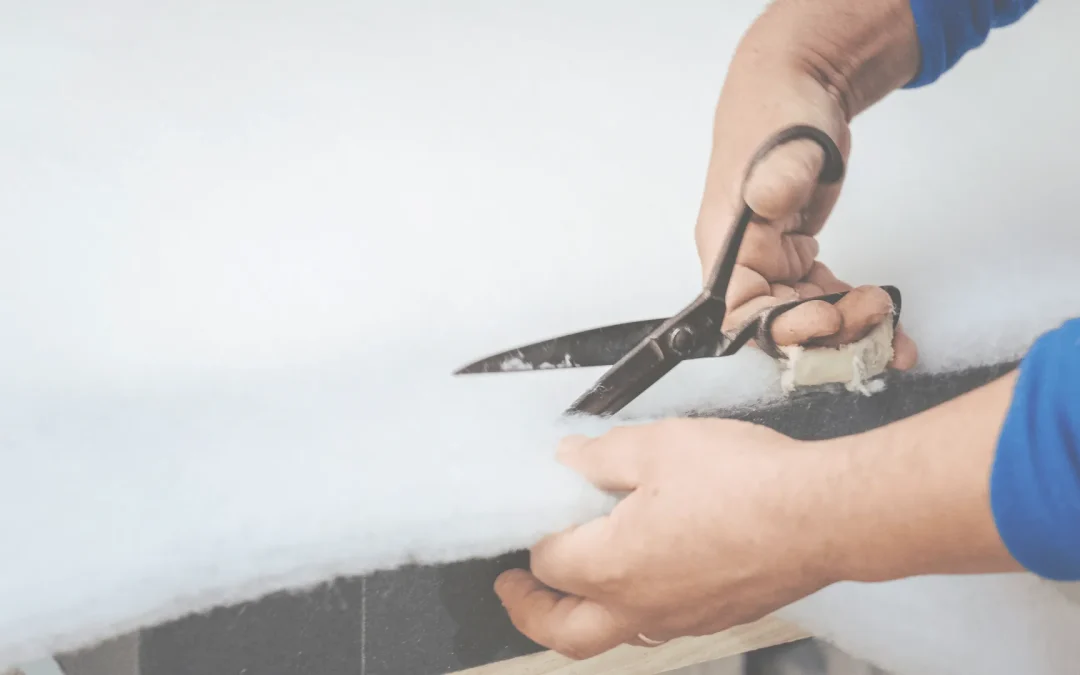
Working on garments that involve extra layers always brings a different kind of satisfaction. Padding creates structure comfort and durability but it also introduces new challenges inside the sewing room. Hands work closer to needles machines deal with thicker resistance and focus needs to stay sharp. Safety becomes part of the creative process especially when Safety tips when sewing with padding materials enters the work flow.
Why Safety Tips When Sewing with Padding Materials
Padding materials change the behavior of fabric under the needle. Extra thickness affects pressure speed and visibility while sewing. Padding for apparel often includes foam batting or quilted layers that respond differently than flat textiles. Awareness of these changes helps reduce mistakes and keeps the sewing process enjoyable rather than stressful.

Preventing Hand and Finger Injuries Caused by Thick Layers
Thick layers encourage hands to move closer to the needle area. Padding resists feeding which leads to pushing or forcing fabric forward. Fingers placed too near the presser foot face higher risk of accidental punctures. A slower pace offers better reaction time and reduces tension in the hands.
Using tools such as fabric guides stiletto sticks or blunt awls creates safe distance between fingers and needle. These tools help guide padding smoothly without direct contact. Lighting also plays a role. Clear visibility prevents misjudging stitch lines or needle position especially when working with darker padding materials.
Comfort matters as well. Taking short breaks avoids hand fatigue that can lead to careless movements. Relaxed hands maintain better control over layered fabric and lower the chance of injury during long sewing sessions.
Reducing Machine Strain and Needle Breakage Risks
Machines work harder when handling padding materials. Motor strain increases if speed remains high or settings remain unchanged. Proper needle selection becomes essential. Heavy duty needles designed for thick fabrics reduce friction and lower the chance of snapping during operation.
Thread tension adjustments help padding feed evenly through the machine. Incorrect tension forces the needle to pull harder through dense layers. This strain increases wear on machine parts and creates uneven stitches. Safety tips when sewing with padding materials performs best when stitch length increases slightly allowing smoother movement across bulky seams.

Ensuring Better Control and Stability During the Sewing Process
Control defines safety when working with padded garments. Stability begins before stitching starts. Preparing pieces carefully by trimming excess bulk at seam allowances helps maintain balance under the presser foot. Flat seams reduce fabric shifting and improve handling.
Using the correct presser foot enhances grip and feeding accuracy. Walking feet or even feed attachments distribute pressure evenly across padding layers. This balance prevents fabric from bunching or pulling unexpectedly during stitching.
Workspace organization supports stability as well. Clear tables provide room to maneuver larger padded sections without dragging weight off the edge. Padding often increases garment size during assembly so space becomes part of the safety strategy. Stable posture and consistent fabric support reduce sudden movements that can cause slips.
Safety plays a central role when handling layered textiles. Safety tips when sewing with padding materials adds complexity but also opportunity for craftsmanship. Proper tools steady pacing and machine care transform challenging projects into enjoyable experiences. Padding deserves careful handling from first cut to final stitch. Respecting thickness maintaining control and supporting machine health ensures every padded garment reflects both creativity and care.
For more information about Padding For Apparel please contact: Whatsapp/Mobile Phone: +62 811 1721 338 (Ms. Ais) or Email : info@urbanplastic.id