

Durable non-woven geotextile is a game changer in construction and landscaping. This innovative material offers strength and versatility, making it ideal for soil stabilization, drainage, and erosion control. Its unique structure allows for excellent water flow while preventing soil loss. Whether you’re tackling a DIY project or managing large-scale developments, understanding its benefits can save you time and money. Discover how durable non-woven geotextile can enhance your projects and ensure long-lasting results.
Understanding Non-Woven Geotextiles
Basic Properties and Features
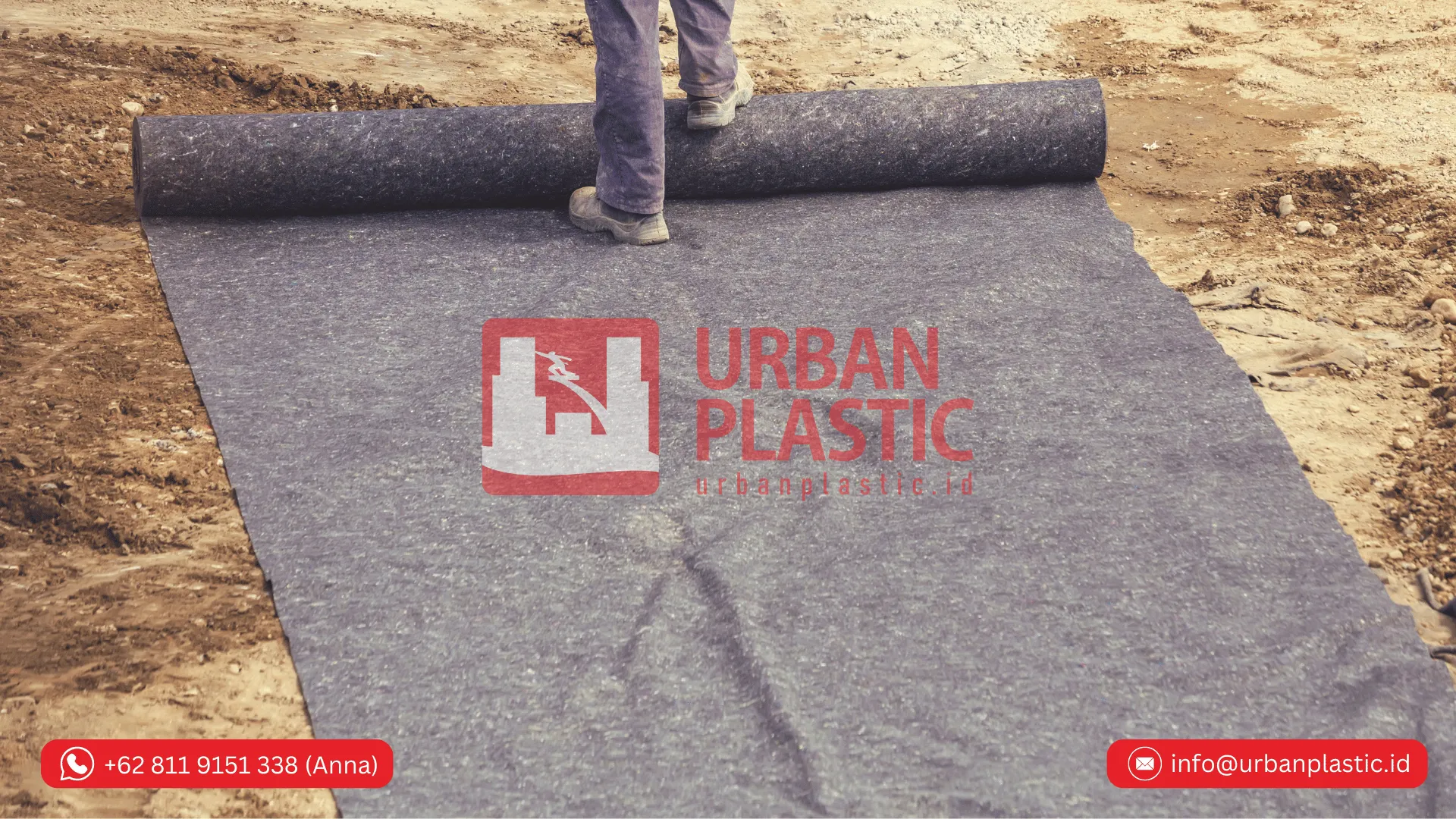
Durable non-woven geotextiles consist of synthetic fibres. Their fibrous structure allows for excellent filtration and drainage. These materials are lightweight, making them easy to handle and install. Flexibility is another key feature, allowing them to adapt to various surfaces. Different thicknesses and weights are available to suit a range of applications. This versatility makes them suitable for everything from landscaping to road construction.
Differences from Woven Geotextiles
Manufacturing processes differ significantly between non-woven and woven geotextiles. Non-woven geotextiles are produced by bonding fibres together through heat or chemicals. In contrast, woven geotextiles involve interlacing threads. Strength varies between the two types; woven geotextiles generally offer higher tensile strength. However, non-woven geotextiles excel in applications requiring filtration and drainage. Their unique properties make them ideal for projects needing efficient water management.
Importance in Construction Projects
Non-woven geotextiles play a crucial role in enhancing project durability. They prevent soil erosion and stabilise ground conditions. This leads to fewer maintenance needs, contributing to overall cost savings. Improved soil stability also accelerates project timelines by providing a solid foundation for construction activities. Incorporating these materials into projects ensures better long-term performance.
Key Benefits of Non-Woven Geotextiles
High Tensile Strength
High tensile strength plays a critical role in preventing material failure. It ensures that non-woven geotextiles can withstand heavy loads without tearing. This property contributes significantly to the overall structural integrity of projects. Testing methods such as the grab test and strip test measure tensile strength accurately. These tests provide insights into how much force the geotextile can endure before breaking.
Permeability and Water Flow
Permeability refers to a material’s ability to allow water to pass through it. This characteristic is crucial for effective drainage in geotextile applications. Non-woven geotextiles facilitate efficient water flow, helping prevent waterlogging in soil. Improved drainage supports better soil health by reducing excess moisture and promoting aeration. Healthy soil leads to robust plant growth and stabilises structures built on it.
Resistance to Environmental Degradation
Non-woven geotextiles resist degradation from UV radiation and chemical exposure. This resistance ensures they maintain their functionality over time. They also stand up well against biological degradation caused by pests or fungi. Their durability allows them to last longer in various environmental conditions, making them a reliable choice for many projects.
Applications in Construction and Landscaping
Road Construction and Stabilisation
Non-woven geotextiles play a vital role in reinforcing road foundations. They provide essential support by distributing loads evenly across the road structure. This prevents rutting and cracking, which can lead to costly repairs. Their effectiveness in stabilising the surface ensures longer-lasting roads.
Retaining Walls and Erosion Control
These geotextiles also support retaining wall structures. They help maintain soil integrity behind walls, reducing the risk of collapse. Non-woven geotextiles control soil erosion on slopes and banks. They act as barriers, preventing soil movement while allowing water to drain.
Drainage Systems and Water Management
Non-woven geotextiles are crucial in drainage systems for effective water flow. They prevent clogging while still allowing water to pass through freely. This function is essential for managing groundwater levels. By reducing flooding risks, they protect both infrastructure and landscapes from water damage.
Enhancing Infrastructure with Geotextiles
Soil Stabilisation Techniques
l stabilisation involves various methods using non-woven geotextiles. These materials improve the load-bearing capacity of weak soils. They distribute loads evenly, which reduces settlement. In construction, these geotextiles are crucial for building embankments and fills. Their use ensures that structures remain stable over time.
Preventing Soil Mixing
Non-woven geotextiles serve as effective barriers between different soil layers. They maintain the integrity of soil profiles by preventing mixing. This separation is essential for preserving clean soil from contamination by subsoil materials. By doing so, they enhance the overall quality of the construction site.
Long-Lasting Performance in Harsh Conditions
Non-woven geotextiles exhibit remarkable resilience in extreme weather conditions. They perform well in both high and low temperature environments. Their durability allows them to function effectively over extended periods. This longevity makes them a reliable choice for various applications in infrastructure projects.

Sustainable Practises with Geotextiles
Eco-Friendly Land Management
Non-woven geotextiles play a vital role in sustainable land management. They help reduce soil erosion by stabilising the ground. This stabilisation allows for better water retention and promotes vegetation growth. As plants establish roots, they further anchor the soil, creating a healthier ecosystem.
These materials are also recyclable, which contributes to their minimal environmental impact. Using non-woven geotextiles reduces the need for chemical treatments on soil. Their ability to improve drainage helps prevent flooding, protecting local habitats.
Supporting Sustainable Infrastructure
Non-woven geotextiles significantly contribute to sustainable construction practices. They enhance the longevity and durability of structures by providing additional support to soil layers. This reinforcement reduces the likelihood of damage from shifting earth or water movement.
Their use can lower the carbon footprint of construction projects. By improving material efficiency, builders can reduce waste and resource consumption. This leads to a more sustainable approach in infrastructure development, aligning with modern environmental standards.
Conclusion
Durable non-woven geotextiles offer a wealth of benefits for your construction and landscaping projects. Their versatility and strength enhance infrastructure while promoting sustainable practices. You can rely on these materials to improve drainage, prevent erosion, and support soil stability.
Embrace the advantages of non-woven geotextiles today. Explore how they can transform your projects and contribute to a greener future. For more information about Geotextile for Construction, please contact: Whatsapp/Mobile Phone: +62 811 9151 338 (Anna) or Email: info@urbanplastic.id.