PADDING FOR HOMEWARE
- Home
- /
- Padding For Homeware
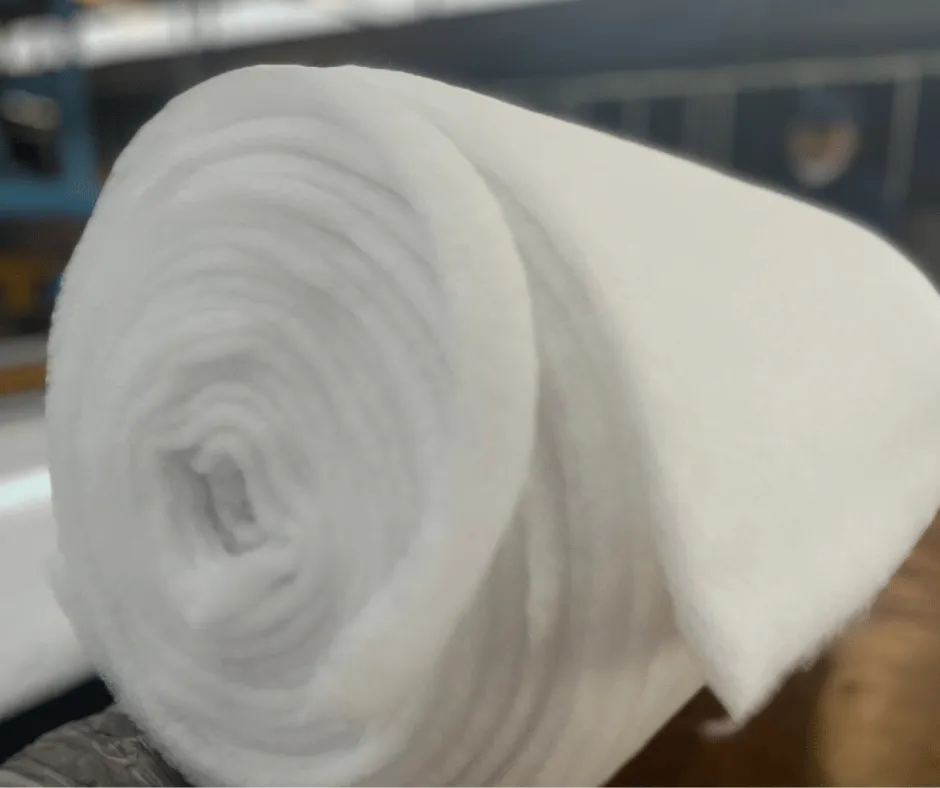
Padding plays a crucial role in various homeware items, enhancing comfort, protection, and aesthetics across a range of household furnishings. In sofas, padding, often made from non-woven fiber, provides essential cushioning, creating a comfortable seating experience while maintaining the furniture’s shape and extending its lifespan. For blankets and duvets, padding made from non-woven fiber offers insulation, trapping warmth to ensure a cozy sleep environment. In rugs, non-woven fiber padding adds a layer of softness underfoot and can improve sound absorption in a room. Mattress protectors with non-woven fiber padding safeguard against wear and tear while adding an extra layer of comfort. Pillows and bolsters rely heavily on padding, often made from non-woven fiber, to provide proper head and neck support, crucial for quality sleep and relaxation. In bed construction, non-woven fiber padding contributes to overall comfort and can help distribute body weight evenly, reducing pressure points. Across all these applications, non-woven fiber padding not only enhances the primary function of each item but also contributes to their durability, making them more resilient to daily use and maintaining their appearance and performance over time.


Advantages and Benefits from Padding for Homeware
Padding in homeware, such as furniture, bedding, and décor, offers numerous benefits, both functional and aesthetic. Firstly, it enhances comfort by softening hard surfaces, making sofas, chairs, and headboards more pleasant to use. Additionally, padding protects items from damage, such as scratches or dents, while also preventing injuries by reducing the risk of bumps, especially in homes with children or the elderly. In terms of durability, padding extends the lifespan of homeware by shielding underlying materials from wear and tear. Moreover, padding provides thermal insulation, keeping rooms warmer, and contributes to soundproofing by absorbing noise. Aesthetically, padded furniture often presents a luxurious and inviting appearance, available in various textures, patterns, and designs that suit different interior styles. It also offers ergonomic support, promoting good posture and relieving pressure on certain body points. With all these benefits, padding becomes a crucial element that not only adds comfort but also enhances the safety and durability of homeware.

Padding for homeware serves a vital role in enhancing comfort, durability, and functionality across a range of household items, and it can also be applied as a material for carpet dotting. This specialized use of padding not only provides cushioning but also adds stability to carpets, helping them stay in place and reducing slippage on various flooring surfaces.
In sofas, cushions, and mattresses, padding offers essential support, ensuring a comfortable experience and prolonging the lifespan of the furniture. For blankets, duvets, and pillows, padding serves as insulation, retaining warmth while offering softness and relaxation.

When applied as carpet dotting material, padding helps improve grip and traction. The dotting design, often made from non-woven fiber, creates small, raised points that hold the carpet securely to the floor, preventing movement and adding a layer of protection to both the carpet and the flooring. This feature is especially useful in high-traffic areas or homes with children and pets.
The versatility of padding, whether for home furnishings or as carpet dotting material, makes it an invaluable component for comfort, safety, and durability in modern homeware design.
What is padding for carpet?
Padding for carpet, also known as carpet underlay, is a layer of cushioning material placed beneath a carpet to provide additional support, comfort, and durability. This padding is typically made from various materials like foam, rubber, or fiber, and it serves several important functions:
- Comfort: Padding adds softness underfoot, making walking on the carpet more comfortable.
- Durability: It helps extend the life of the carpet by absorbing the impact of foot traffic and reducing wear on the carpet fibers.
- Insulation: Carpet padding improves thermal insulation, keeping rooms warmer and reducing energy costs.
- Noise Reduction: It also helps in reducing noise by absorbing sound, making rooms quieter.
Selecting the right padding thickness and material is essential for achieving the best results based on the type of carpet and the room’s use.
What is a rug padding?
A rug pad is a sheet of material that serves as a buffer between your area rug and the floor. The purpose of a rug pad is to protect both the rug and the floor. It also protects you by making the rug less slippery. A rug pad holds the rug in place, softens the floor, makes cleaning easier, and dampens sounds.
What is padding in sofa?
Padding in a sofa refers to the cushioning material used beneath the fabric or upholstery to provide comfort, support, and shape. This padding is crucial because it affects the seating comfort and the durability of the sofa. Common materials used include foam, polyester fiberfill, down feathers, or even memory foam. Foam typically offers firm support, while polyester fiberfill provides extra softness. The choice of padding material influences the overall quality and seating experience, as well as the longevity of the sofa, making it essential to select the right padding based on needs.
Should you put a mattress protector on a memory foam mattress?
Memory foam is a sponge-like material that easily absorbs liquids. If the material becomes wet, this can damage its layers and create the ideal conditions for mould and mildew to develop. Using a waterproof mattress protector with a memory foam mattress is advisable to prevent liquids from penetrating the material.
What is padding the bed?
Padding in a bed refers to the extra cushioning material placed between the mattress and the sheets or the mattress itself. It is designed to enhance comfort, provide support, and protect the mattress. Common types of bed padding include mattress toppers, mattress pads, and pillow tops, which can be made from materials like foam, latex, down feathers, or fiberfill. Bed padding not only increases softness but also helps regulate temperature, reduce pressure points, and extend the lifespan of the mattress by adding a protective layer. It contributes significantly to overall sleep quality.