
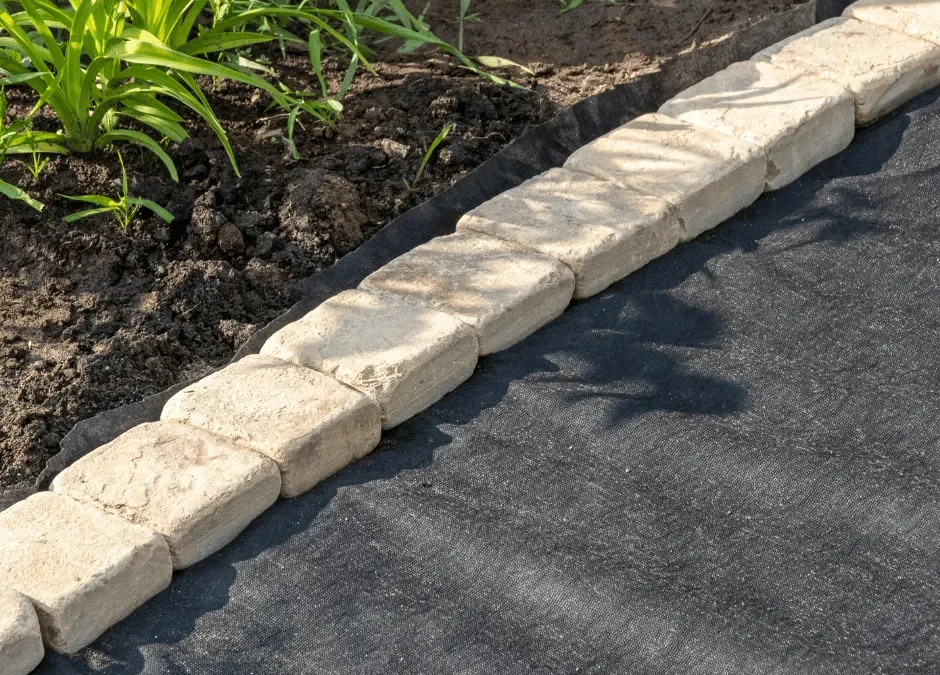
Why struggle with gardening when you can make it easier? Geotextile for gardening is a game changer. It helps with drainage, prevents weeds, and supports soil health. This material is durable and versatile, perfect for various gardening projects. Whether you’re planting flowers or vegetables, geotextile offers benefits that enhance growth and simplify maintenance. Using this innovative solution means less hassle and more thriving plants. Discover how incorporating geotextile can transform your gardening experience and lead to a flourishing garden.
Understanding Geotextiles in Gardening
Definition
Geotextiles are permeable fabrics. They separate, filter, reinforce, protect, or drain soil. These materials play a crucial role in soil management. They help maintain soil structure and prevent erosion.
Types of Geotextiles
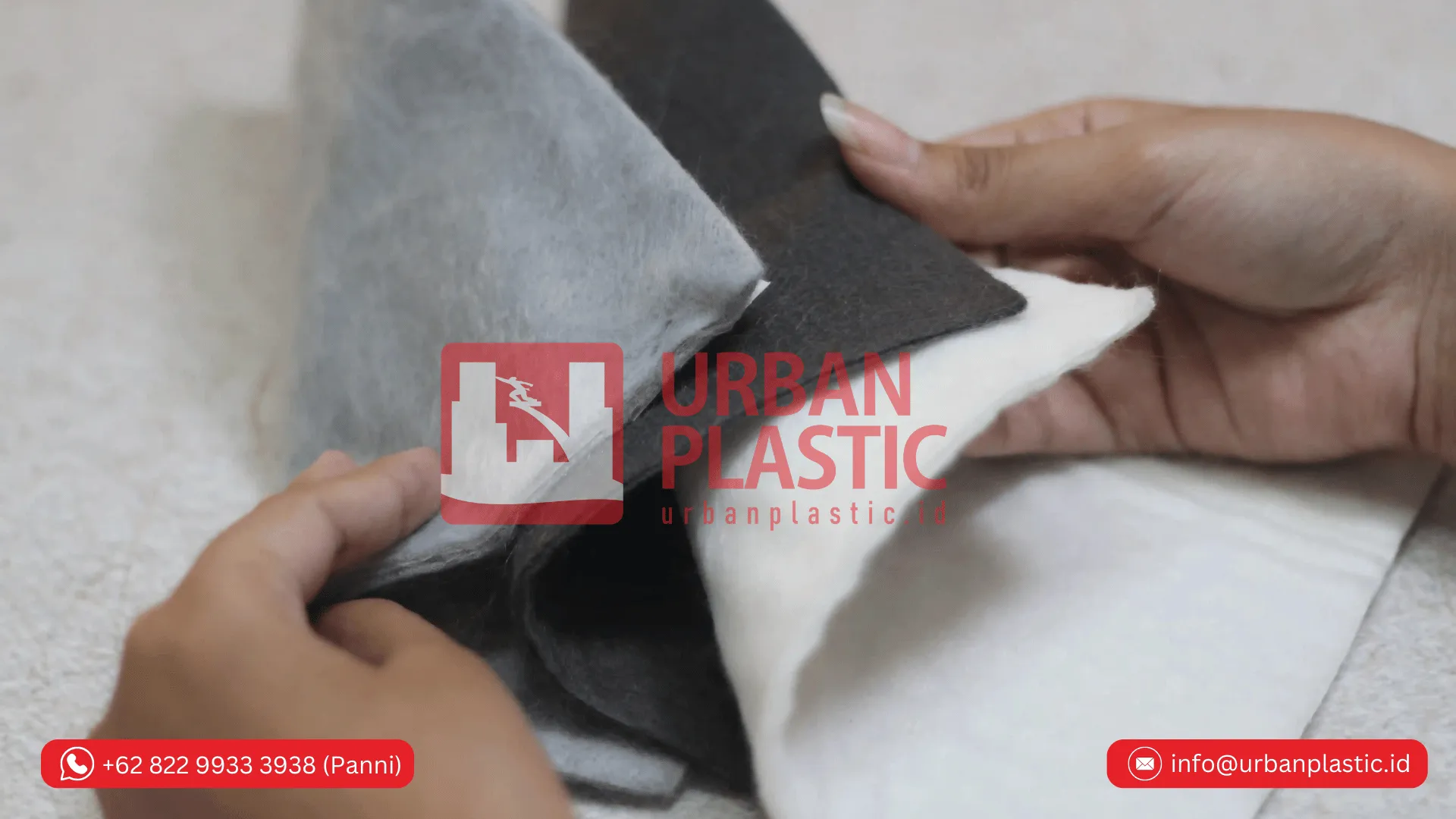
Several types exist for gardening. Non-woven geotextiles are popular for drainage. They allow water to pass while filtering out soil particles. Woven geotextiles offer strength and stability. They work well in areas with heavy loads, such as pathways and driveways.
Another type is biodegradable geotextiles. Made from natural fibres, they decompose over time. Gardeners often use them for temporary applications like weed control.
Importance of Permeability and Durability
Permeability is vital in gardening applications. It ensures proper water flow through the soil. This feature helps prevent waterlogging and promotes healthy plant growth.
Durability matters too. Geotextiles must withstand harsh weather conditions and physical stress. Long-lasting materials reduce the need for frequent replacements. This aspect saves time and money for gardeners.
Advantages of Using Geotextiles
Cost-Effectiveness
Geotextiles offer cost-effective solutions for gardeners. Initial expenses may seem high, but they save money over time. They reduce the need for herbicides and pesticides. This leads to lower maintenance costs. Moreover, geotextiles last for years, providing long-term benefits.
Sustainable Practices
Using geotextiles aligns with sustainable gardening practices. They allow water and nutrients to pass through while blocking weeds. This reduces soil erosion and preserves soil quality. Geotextiles can be made from recycled materials. Thus, they contribute to a more eco-friendly gardening approach.
Weed Suppression
Weed growth can be a significant challenge for gardeners. Geotextiles effectively suppress weeds by blocking sunlight. This reduces competition for nutrients and moisture among plants. With fewer weeds, gardeners spend less time on maintenance tasks. They can focus on enjoying their gardens instead of constant weeding.
Gardening becomes easier with geotextiles in place. By using these materials, gardeners enhance their gardening experience while promoting sustainability. The benefits of cost savings, reduced maintenance, and environmental responsibility make geotextiles an excellent choice.
Applications for Weed Control and Erosion
Weed Prevention
Geotextiles effectively prevent weed growth. They block sunlight from reaching the soil, which stops weeds from germinating. The fabric allows water and air to pass through while keeping unwanted plants at bay. This method reduces the need for chemical herbicides, promoting a healthier garden environment.
Gardeners can place geotextiles under mulch or decorative stones. This creates a barrier that enhances the aesthetic appeal while controlling weeds. Many gardeners appreciate this dual benefit.
Erosion Control
Geotextiles play a significant role in controlling soil erosion, especially on slopes. They stabilise the soil by providing a support layer that holds soil particles together. This prevents the topsoil from washing away during heavy rain.
In areas with steep inclines, geotextiles can be particularly beneficial. They help create terraces or retaining walls, reducing the risk of landslides. Gardeners often use these materials in new landscapes or when planting on hillsides.
Specific Scenarios
Certain gardening situations highlight the advantages of geotextiles for erosion control. For example, newly planted trees on slopes require extra support to establish roots. Geotextiles can secure the soil around their base.
Another scenario includes flower beds along a hillside. Using geotextiles helps maintain soil structure while allowing drainage. This ensures flowers receive adequate nutrients without losing soil to erosion.

Enhancing Drainage and Moisture Retention
Improved Drainage
Geotextiles play a crucial role in enhancing drainage, especially in heavy soils. They allow water to flow through while preventing soil particles from washing away. This filtration improves the overall drainage of the garden. As a result, plants benefit from reduced waterlogging.
Moisture Management
Geotextiles also help manage moisture levels effectively. They retain adequate moisture for plant roots while allowing excess water to drain away. This balance prevents both drought stress and root rot. By controlling moisture, geotextiles create an optimal environment for various plant types.
Root Health and Growth
The impact of geotextiles on root health is significant. They provide a stable structure that supports root systems. Healthy roots access nutrients more efficiently, promoting robust plant growth. The improved aeration from the use of geotextiles encourages deeper root penetration. This leads to stronger plants that withstand environmental stresses better.
In summary, using geotextiles for gardening not only enhances drainage but also optimises moisture retention. Their role in supporting root health directly influences plant vitality and productivity. By integrating geotextiles into gardening practices, gardeners can create healthier ecosystems for their plants.
Choosing the Right Geotextile for Your Garden
Key Factors
Selecting the right geotextile involves several important factors. Soil type plays a crucial role. Sandy soils require different materials than clay soils. Plant type is also vital. Certain plants thrive better with specific geotextiles. For instance, deep-rooted plants may need more robust support.
Woven vs Non-Woven
Woven and non-woven geotextiles serve different purposes in gardening. Woven types provide excellent drainage and are strong. They allow water to pass through while keeping soil intact. Non-woven options excel in moisture retention. They trap water and nutrients, benefiting plants that require consistent hydration. Each type has its advantages based on your garden’s needs.
Sourcing Quality Geotextiles
Finding high-quality geotextiles is essential for successful gardening. Local garden centres often stock a range of options. Online retailers also provide various choices, including eco-friendly products. Look for brands with positive reviews and clear specifications about their materials.
Consider checking gardening forums or community groups for recommendations. These resources can guide you in selecting the best geotextiles for your garden.
Summary
Geotextiles are game-changers for your gardening efforts. They provide effective solutions for weed control, erosion prevention, and moisture management. Choosing the right type can significantly enhance your garden’s health and productivity. With the right geotextile, you’ll create a thriving environment for your plants while reducing maintenance time. Don’t miss out on the benefits that geotextiles offer. Explore options that suit your specific needs and elevate your gardening experience. Start today and watch your garden flourish like never before!
For more information about Geotextile For Gardening please contact Whatsapp/Mobile Phone: +62 822 9933 3938 (Panni) or Email: info@urbanplastic.id.