
GEOTEXTILE FOR GARDENING
- Home
- /
- Geotextile For Gardening
Geotextile Fabric Non Woven is a versatile material commonly used in landscaping and garden projects due to its various functional benefits. In garden applications, the primary functions of non-woven geotextile are soil stabilization, filtration, and weed control. By acting as a barrier, it helps prevent the growth of weeds while still allowing water and nutrients to pass through to the soil. This ensures better plant health without the need for chemical weed suppressants.
Additionally, non-woven geotextile is used to prevent soil erosion in sloped areas or garden beds by reinforcing the soil and maintaining its structure. It also improves drainage by allowing excess water to flow through the fabric while preventing soil from clogging drainage systems. Overall, using non-woven geotextile in gardens helps create a low-maintenance, durable, and sustainable environment for plant growth and landscape design.
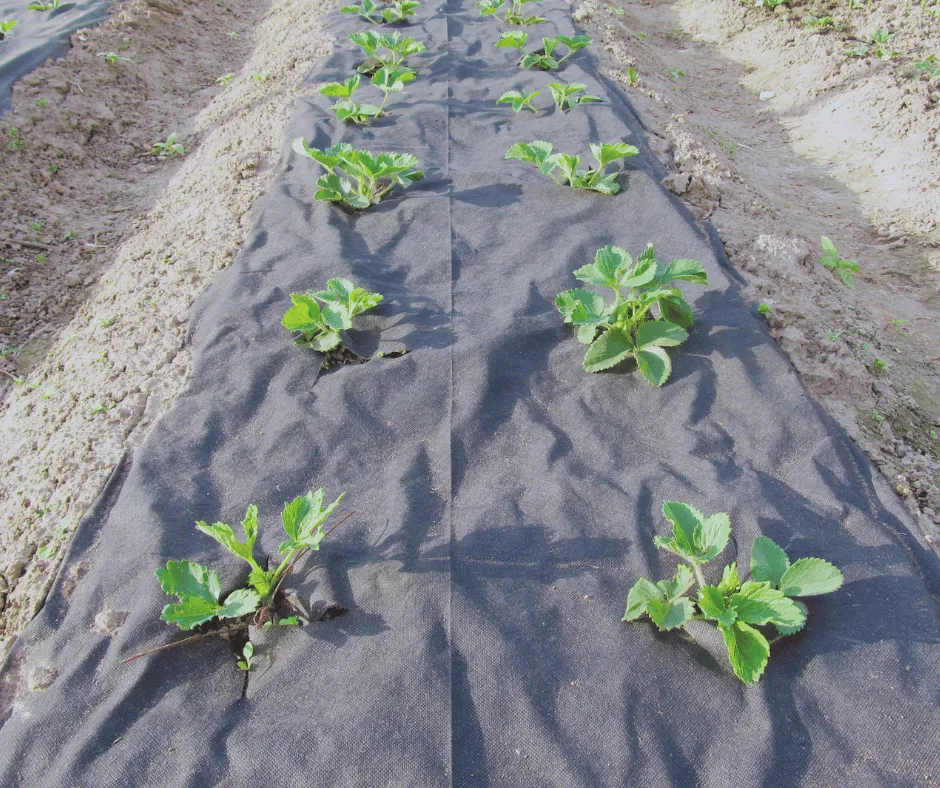

Transform Your Garden with Superior Protection and Growth
Geotextile for Gardening Premium Geotextile Fabric is the ultimate solution for gardeners seeking to enhance soil health, control weeds, and optimize plant growth. Whether you’re a seasoned gardener or a DIY enthusiast, our Geotextile Fabric provides unparalleled performance to ensure your garden thrives year-round.
Product Specifications
- Material: Polymer Polyester PET (Polyethylene Terephthalate)
- Color: Dark Grey
- Permeability: Allows air and water to pass through while blocking sunlight
- Weight: 150 GSM
Geotextile for gardening serves multiple essential functions that enhance soil health, promote plant growth, and simplify garden maintenance. Primarily, geotextile fabric acts as a barrier that helps control weed growth by preventing weeds from reaching the surface while still allowing water, air, and nutrients to penetrate the soil, ensuring that plants receive the nourishment they need. In addition to weed control, geotextile fabric provides soil stabilization, helping to maintain the integrity of the garden’s structure, especially in sloped areas or raised beds, by preventing soil erosion. It also plays a vital role in improving drainage, as the porous material allows excess water to flow through while preventing soil from clogging drainage systems, ensuring that the garden remains well-drained and healthy. Overall, geotextile fabric for gardening creates a sustainable, low-maintenance environment, reducing the need for chemical weed suppressants and enhancing the long-term performance of the landscape.
Does non-woven geotextile stop weeds?
Yes, non-woven geotextile is effective in controlling weeds. When used as a barrier beneath soil or mulch, it blocks sunlight from reaching the ground, preventing weed growth while allowing water and nutrients to pass through. This makes non-woven geotextile an ideal solution for landscaping, garden beds, and pathways. By creating a physical barrier, it reduces the need for chemical weed control and minimizes maintenance, keeping your garden or landscape weed-free and healthy.
Can you use Geotextile Fabric for landscaping?
Yes, Geotextile Fabric is widely used for landscaping. It helps with soil stabilization, erosion control, and drainage while also preventing weed growth. By placing geotextile fabric under soil, gravel, or mulch, it creates a barrier that allows water to pass through while keeping weeds and soil particles in place. This makes it ideal for garden beds, pathways, retaining walls, and other landscaping projects. Non-woven geotextile fabric, in particular, is often preferred for its durability and filtration capabilities, ensuring long-lasting performance in a variety of outdoor environments.
Can water pass through non-woven geotextile?
Yes, water can pass through non-woven geotextile. Non-woven geotextile is designed to be permeable, allowing water to filter through while preventing soil and other particles from passing. This makes it ideal for applications like drainage, erosion control, and landscaping, where proper water flow is essential. It helps improve drainage in soil, preventing water buildup and reducing the risk of erosion, while still maintaining soil stability.
When to use non-woven geotextile?
Non-woven geotextile is used in a variety of construction and landscaping applications due to its versatility and filtration capabilities. Here are common situations when it’s best to use non-woven geotextile:
- Drainage systems: It allows water to pass through while filtering out soil and debris, making it ideal for French drains, trench drains, and other water management systems.
- Erosion control: It stabilizes soil on slopes, embankments, or riverbanks by preventing erosion while allowing water to flow naturally.
- Soil stabilization: In road construction or foundation projects, it helps separate and reinforce soil layers.
- Weed control: In landscaping, it acts as a barrier under mulch or gravel to block weeds while allowing water and nutrients to reach plants.
- Landscaping and gardening: It’s used under garden beds, pathways, and hardscaping to improve drainage and prevent soil mixing.
Non-woven geotextile is a go-to solution when filtration, drainage, and stabilization are needed in a project.
Can plant roots grow through Geotextile Fabric?
Plant roots can potentially grow through geotextile fabric, but it depends on several factors:
- Fabric type: Some geotextiles are more permeable than others. Woven geotextiles are generally more resistant to root penetration compared to non-woven types.
- Root strength: Plants with aggressive, strong root systems are more likely to penetrate the fabric.
- Fabric thickness: Thicker fabrics provide more resistance to root penetration.
- Time: Over extended periods, even resistant fabrics may eventually be penetrated by persistent root growth.
- Soil conditions: The soil environment and moisture levels can affect how aggressively roots grow and seek nutrients.
Geotextile fabrics are often used as a barrier to prevent soil erosion or separate different soil layers. While they can slow down or impede root growth, they are not always 100% effective in stopping determined plant roots, especially over long periods.If you’re using geotextile fabric for a specific purpose and are concerned about root penetration, you might consider using specialized root barriers or installing the fabric in a way that minimizes the chance of root contact.
