

This time, we will provide a complete guide on how choosing the right air filter material can benefit your air compressor operation. Compressed air filtration is a critical element in industrial compressed air systems.
Choosing the right filter material for your air compressor can make a big difference in system efficiency, maintenance, and the quality of the air produced. By choosing the right filter, you not only maintain the performance of your equipment but also improve the quality of the product produced.
Why is Choosing the Right Air Filter Material Important?
Choosing air filter material is very important because compressed air contamination can cause various problems in your system. Air contaminated by particles, moisture, or oil residue can damage equipment and reduce operational efficiency.
The right filter material helps remove these contaminants efficiently, keeping the system clean and running smoothly. In addition, choosing the right air filter material can also extend the life of your compressor equipment.
Poor filters can cause premature wear on the compressor, reduce system performance, and increase maintenance costs. Therefore, understanding the different types of filter materials and how they work is very important.
Types of Filters for Air Compressors
There are several types of filters that you can choose from based on the type of contaminants you need to remove from the compressed air. These filters use a variety of materials that each have their own advantages in handling contaminants such as particles, oil, and moisture.
1. Dry Particle Filters
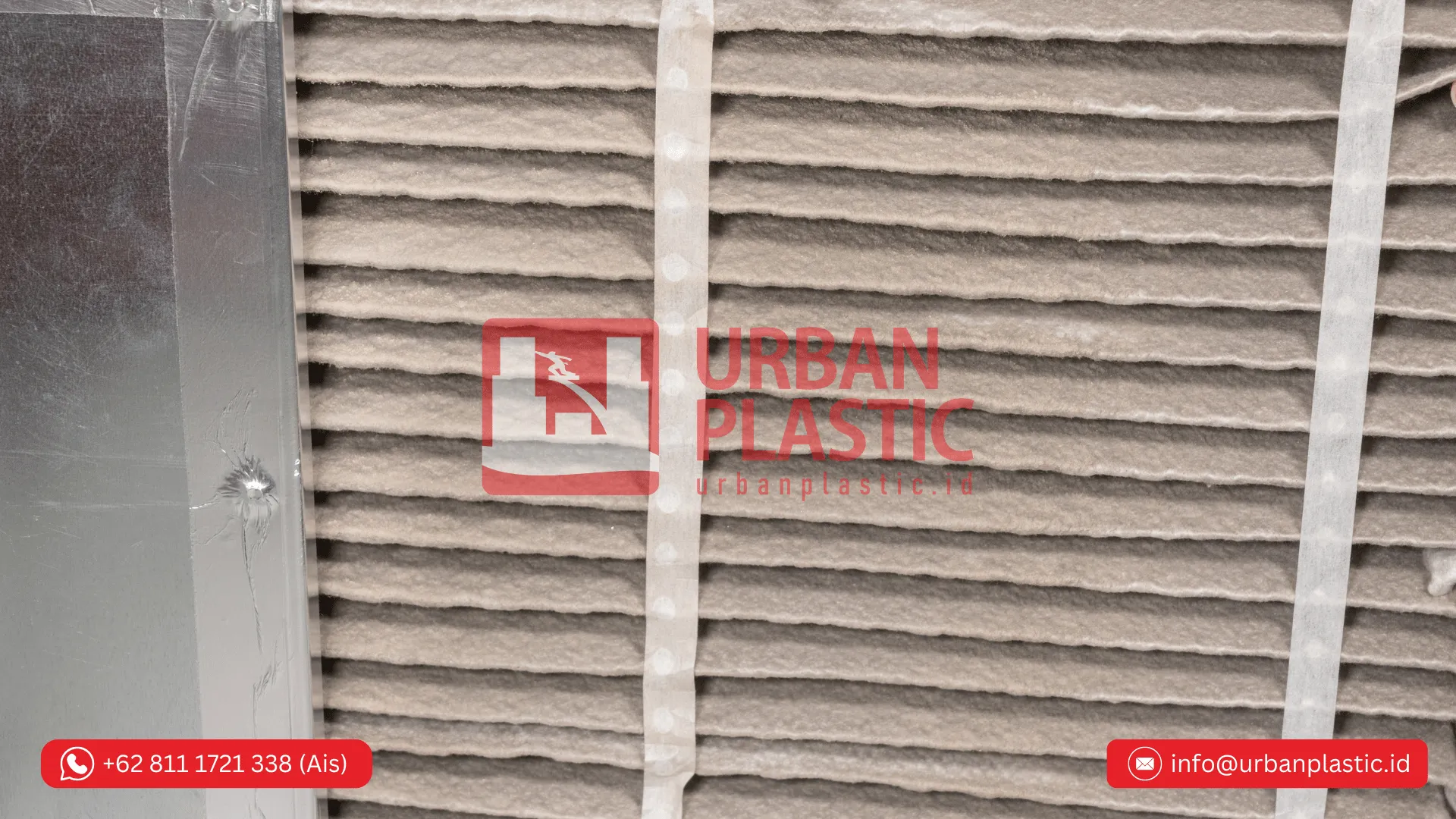
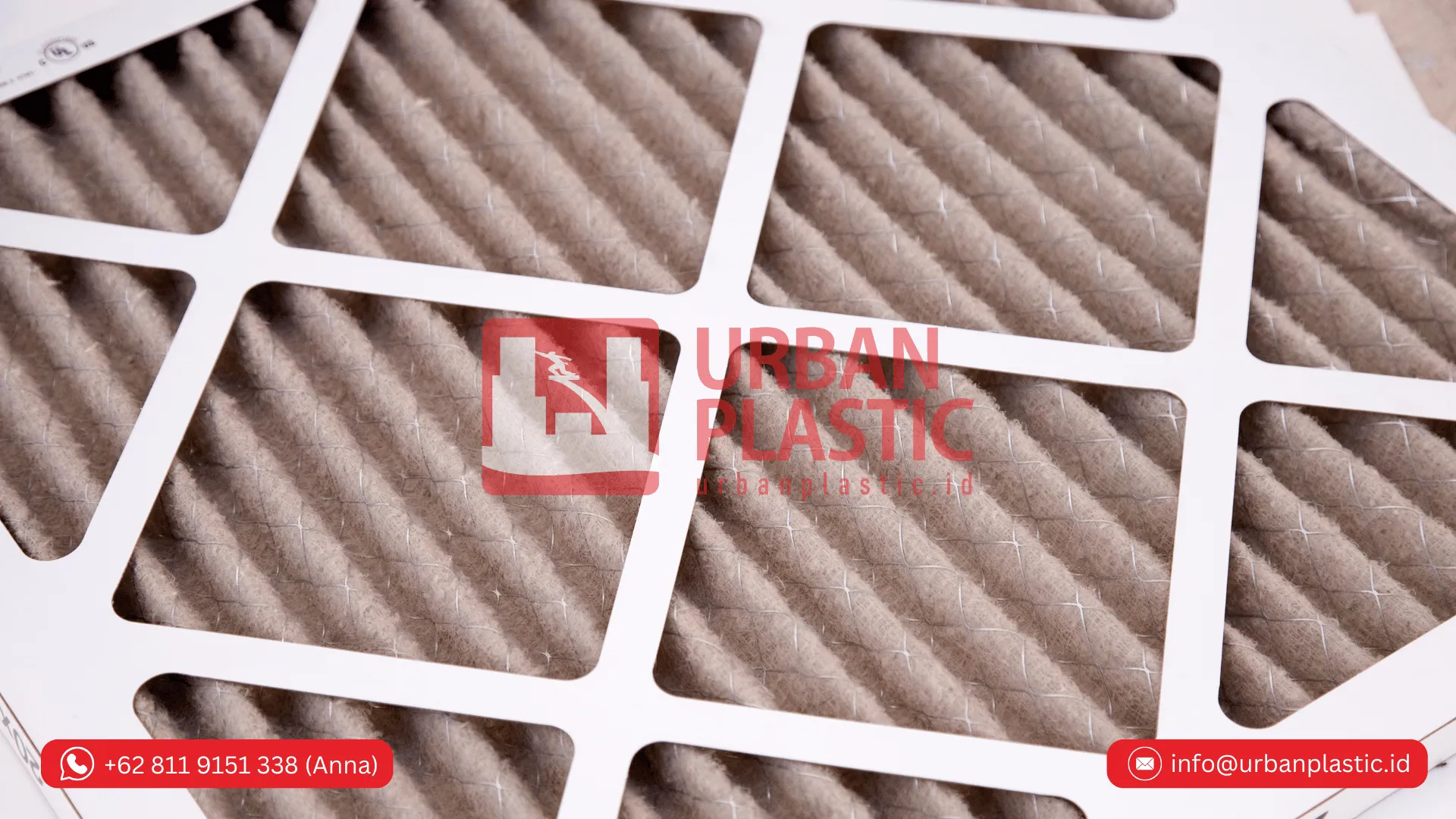
These filters are specially designed to capture dust, dirt, and other solid particles that can interfere with the performance of a compressed air system. Materials such as synthetic fibers or fiberglass are often used in these filters because of their ability to capture small particles.
2. Coalescence Filters for Oil
In oil-powered air compressors, residual oil can mix with the compressed air. Coalescence filters use special materials to remove oil vapors and aerosols from the air, preventing damage to equipment and product contamination.
3. Activated Carbon Filters for Moisture and Odor
Choosing the right air filter material to deal with moisture is essential, especially in areas with high temperatures or high humidity. Activated carbon filters not only remove odors but also help absorb moisture and other gaseous contaminants.
Criteria for Choosing Air Filter Material
When choosing the right air filter material, there are several factors that you need to consider. Selecting the right compressed air filter is essential to maintaining energy efficiency, reducing maintenance, and ensuring a clean, dry air supply.
High-quality filters last longer, require minimal maintenance, and prevent contamination that can damage the system. Therefore, choosing products from trusted manufacturers is highly recommended.
Filtration efficiency is a major factor in filter selection. In oil-lubricated air systems, this efficiency is assessed based on the size of the particulates (microns) and the amount of residual oil (PPM).
Fine particles are less than 2.5 microns, while ultrafine particles are smaller than 0.1 microns. HEPA filters and coalescence filters can capture particles as small as 0.01 microns, providing optimal filtration levels.
In addition, you should pay attention to the pressure drop. High pressure drop means the system is working harder, increasing energy consumption.
Overly dense filters can increase filtration efficiency but also increase system load. Therefore, the balance between filtration efficiency and pressure drop is critical.
The filter media also affects filter performance. Common materials include paper, polyester, cellulose, fiberglass, and stainless steel. The selection of materials must take into account environmental conditions, temperature, and humidity.
Finally, pay attention to the flow rate and service life of the filter. A flow rate that matches the compressor capacity ensures optimal performance without obstruction. Meanwhile, a filter with a longer service life will reduce the frequency of replacement and maintenance costs.
By choosing the right filter, the compressed air system can work more efficiently and cost-effectively.
Troubleshooting Problems Without Proper Filtration
If you don’t choose the right air filter material, several problems can arise, including:
- Contamination entering the system can cause wear on the compressor, motor, and other components. This wear can lead to expensive equipment failures.
- Contaminated air increases energy consumption and decreases operational efficiency, which in turn can increase operating costs.
- In some industries, such as food and pharmaceuticals, contaminated compressed air can affect the quality and safety of the products being produced. This makes choosing the right filter material even more important.
Choosing the right air filter material is a key step in maintaining the performance and efficiency of your compressed air system. By choosing the right filter material, you can avoid air contamination, improve product quality, and reduce maintenance costs.
For more information about Air Filter please contact: Whatsapp/Mobile Phone: +62 822 9933 3938 (Ms. Panni) or Email : info@urbanplastic.id