

What if you could enhance construction durability while saving time and money? The benefits of non-woven geotextile in construction are game-changers. These materials improve drainage, prevent soil erosion, and provide stability to structures. They are lightweight yet strong, making them easy to handle on-site. Non-woven geotextiles also reduce the need for extensive maintenance, ensuring long-lasting performance. With their versatility, they suit various applications, from roadways to landscaping. Embracing these materials not only boosts efficiency but also promotes sustainability in construction practices.
Understanding Non-Woven Geotextiles
What Are Non-Woven Geotextiles
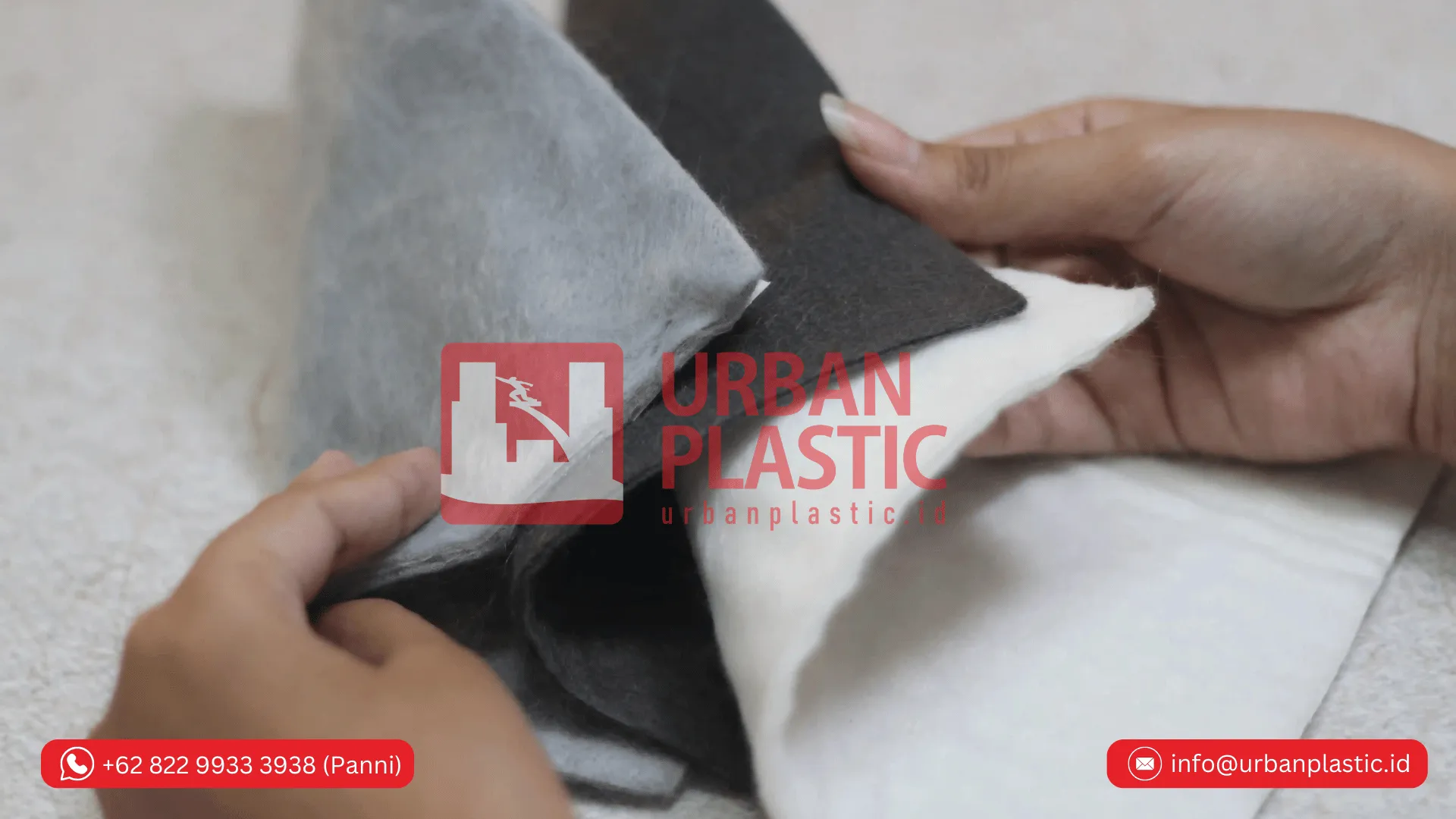
Non-woven geotextiles are synthetic fabrics. They consist of fibres bonded together through mechanical, thermal, or chemical processes. These materials play a crucial role in civil engineering and construction. They aid in soil separation, filtration, and drainage. Different types exist based on weight, thickness, and application. Lighter non-woven geotextiles often work well for filtration. Heavier versions provide better stability and support.
Differences from Woven Geotextiles
The manufacturing processes for non-woven and woven geotextiles differ significantly. Non-woven types do not involve interlacing fibres. This absence results in unique properties like higher permeability and flexibility. Non-woven geotextiles excel in applications such as drainage and filtration. They allow water to flow freely while preventing soil erosion. In contrast, woven geotextiles may be less effective in these scenarios.
Material Composition and Properties
Common materials used in non-woven geotextiles include polypropylene and polyester. These materials provide high tensile strength and UV resistance. Many non-woven options are biodegradable. Such properties enhance the durability and performance of these geotextiles in construction projects. Their longevity reduces the need for frequent replacements, saving time and costs.
Key Benefits in Construction
Soil Stabilisation
Non-woven geotextiles enhance soil stability. They provide a supportive layer that reduces movement. This is crucial in preventing soil erosion and maintaining structural integrity. Areas with weak or loose soil conditions benefit significantly from this application.
Effective Drainage Solutions
Non-woven geotextiles facilitate efficient water drainage. They allow excess water to pass through while retaining soil particles. This feature is effective in managing stormwater runoff and preventing flooding at construction sites. They are commonly used in drainage systems, such as French drains and retaining wall backfills.
Erosion Control
Non-woven geotextiles help prevent soil erosion by stabilising the surface. They reduce runoff, which can wash away valuable topsoil. Their application extends to landscaping and slope protection, where they maintain soil structure. They also protect newly seeded areas and promote vegetation growth effectively.
Load Distribution Support
Non-woven geotextiles distribute loads evenly across surfaces. This reduces stress on underlying soils, enhancing performance in roads and pavements. By minimising rutting and deformation, they prove essential in heavy traffic areas, including construction sites and industrial zones.
Applications in Construction Projects
Road Foundation Enhancement
Non-woven geotextiles significantly improve road construction. They enhance foundation stability by separating subgrade soil from aggregate layers. This separation prevents mixing and degradation of materials. As a result, roadways experience less wear and tear. Maintenance needs reduce, extending the lifespan of roads.
Retaining Wall Support
These geotextiles provide essential support for retaining walls. They facilitate proper drainage behind the wall, which is crucial for maintaining structural integrity. By preventing hydrostatic pressure build-up, they help avoid wall failure. Non-woven geotextiles are versatile and fit various retaining wall designs, including gravity and cantilever walls.
Drainage System Integration
Non-woven geotextiles integrate seamlessly into drainage systems. They work well with other materials, such as gravel and perforated pipes. Their use ensures effective water management in both residential and commercial developments. This integration enhances the overall performance and longevity of drainage systems.
Versatility in Various Environments
The adaptability of non-woven geotextiles is noteworthy. They perform well in diverse environments, from urban to rural and coastal areas. These materials are effective in many applications, including road construction, landscaping, and environmental restoration. They also show compatibility with different soil types and climatic conditions.

Environmental and Economic Advantages
Sustainable Development Contributions
Non-woven geotextiles play a crucial role in sustainable construction practices. They reduce the need for traditional materials like concrete and gravel. This leads to less resource extraction and lower carbon emissions. Their potential for recycling enhances their value. Reusable non-woven geotextiles promote a circular economy in the construction sector. They minimise waste and encourage efficient resource use. This reduces the environmental footprint of construction projects significantly.
Long-Term Durability and Cost Efficiency
These materials are known for their long-lasting nature. Non-woven geotextiles can withstand harsh weather conditions, including extreme temperatures and heavy rainfall. Their durability translates into cost savings over time. Construction projects benefit from reduced maintenance and replacement needs. This results in lower overall costs throughout the lifecycle of the project. Enhanced performance also adds significant value to these projects, making them more economically viable.
Minimising Environmental Impact
Non-woven geotextiles help protect natural ecosystems effectively. They control erosion and sedimentation, which is vital for maintaining soil health. These materials also support vegetation growth in disturbed areas, promoting biodiversity. By facilitating sustainable land management practices, they contribute to environmental conservation efforts. Their ability to integrate with natural systems makes them essential in modern construction.
Conclusion
Non-woven geotextiles are game-changers in construction. They offer numerous benefits, from enhancing soil stability to improving drainage. Their versatility makes them suitable for various applications, ensuring your projects run smoothly and efficiently. Plus, they provide significant environmental and economic advantages. Embrace non-woven geotextiles in your next project. You’ll not only boost performance but also contribute to sustainable practices. For more information about Geotextile for Construction, please contact: Whatsapp/Mobile Phone: +62 822 9933 3938 (Panni) or Email: info@urbanplastic.id.